


Maybe we’ve got to keep an eye on some people:


Bad focus, but the colors might be interesting:

Let your eyes float on by.

An indistinct offense:

Nikon d3100. I’m new at this and doing my best when I get a little extra time. Thanks for looking. Maybe it gives you a feel for the place.


I was out looking for cool colors and lines. I’m progressing from ‘look at all my photos‘ to ‘these photos could be a lot better and probably aren’t ready for sharing‘
Thanks for stopping by.


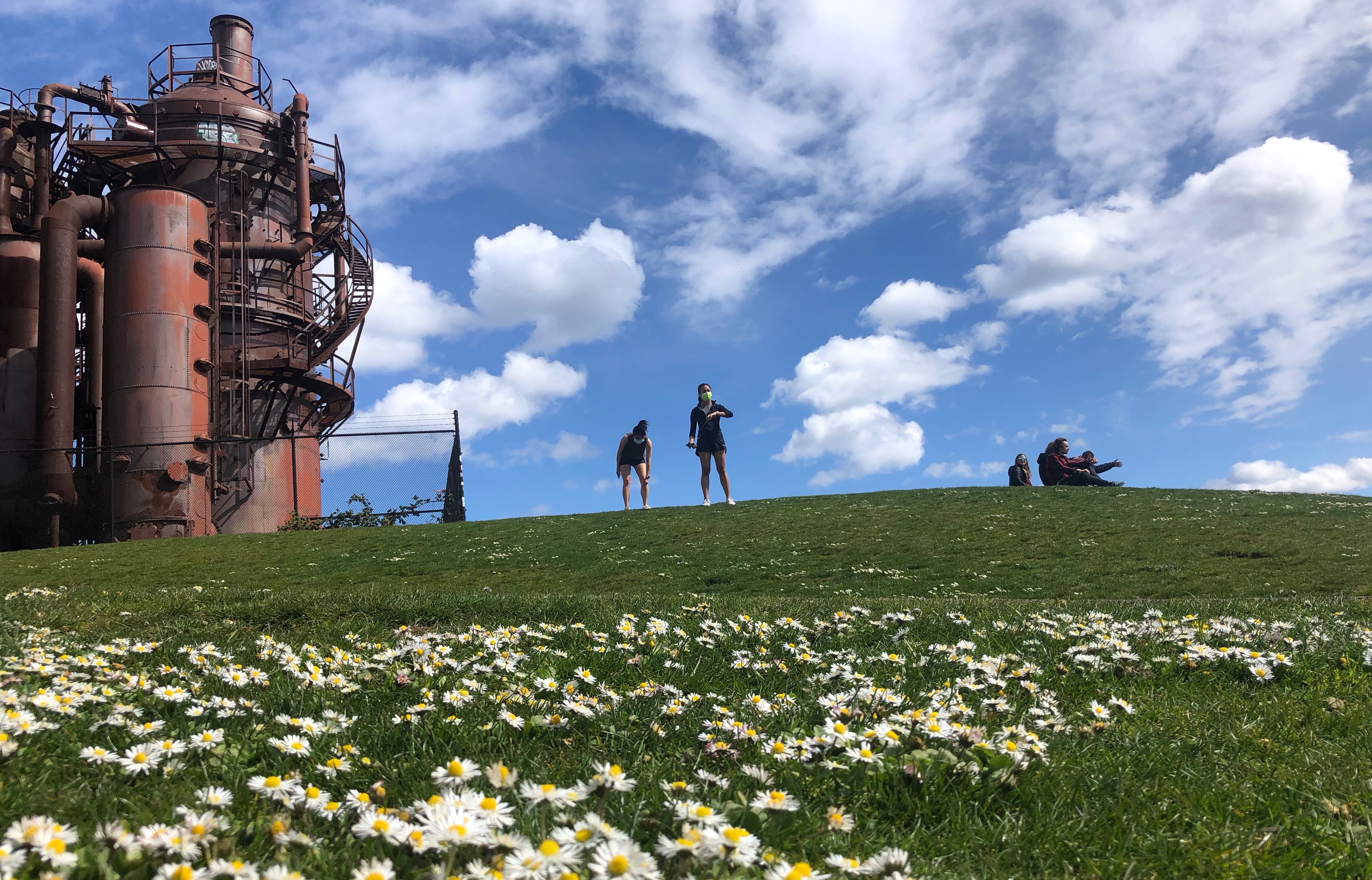
Things you don’t always find in Seattle:


—
Sometimes you feel a bit creepy taking photos.

Catching people by surprise:

At some threshold in their lives:



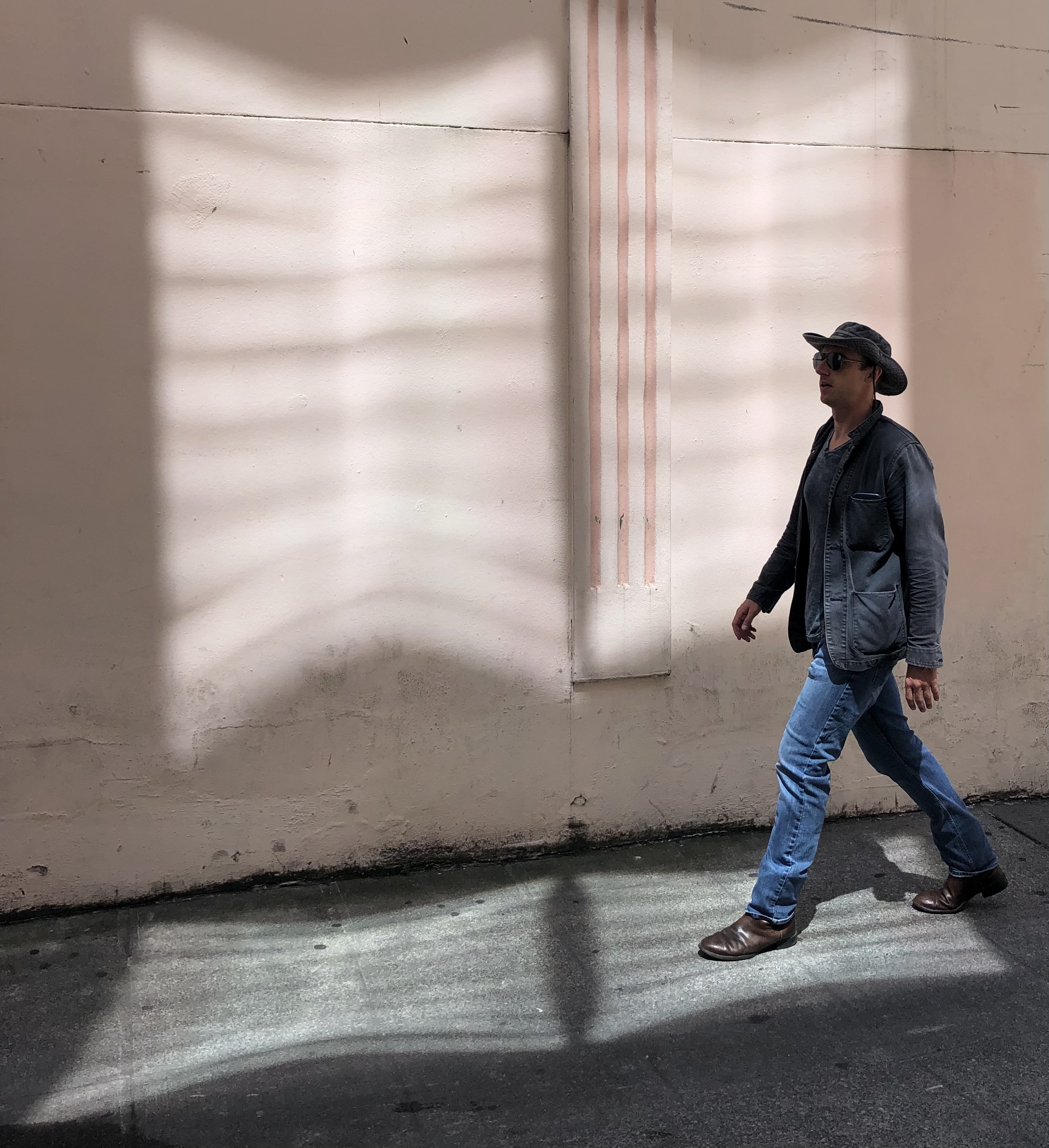
[Updated]
I got nuttin’….thanks for stopping by, and to everyone that has.
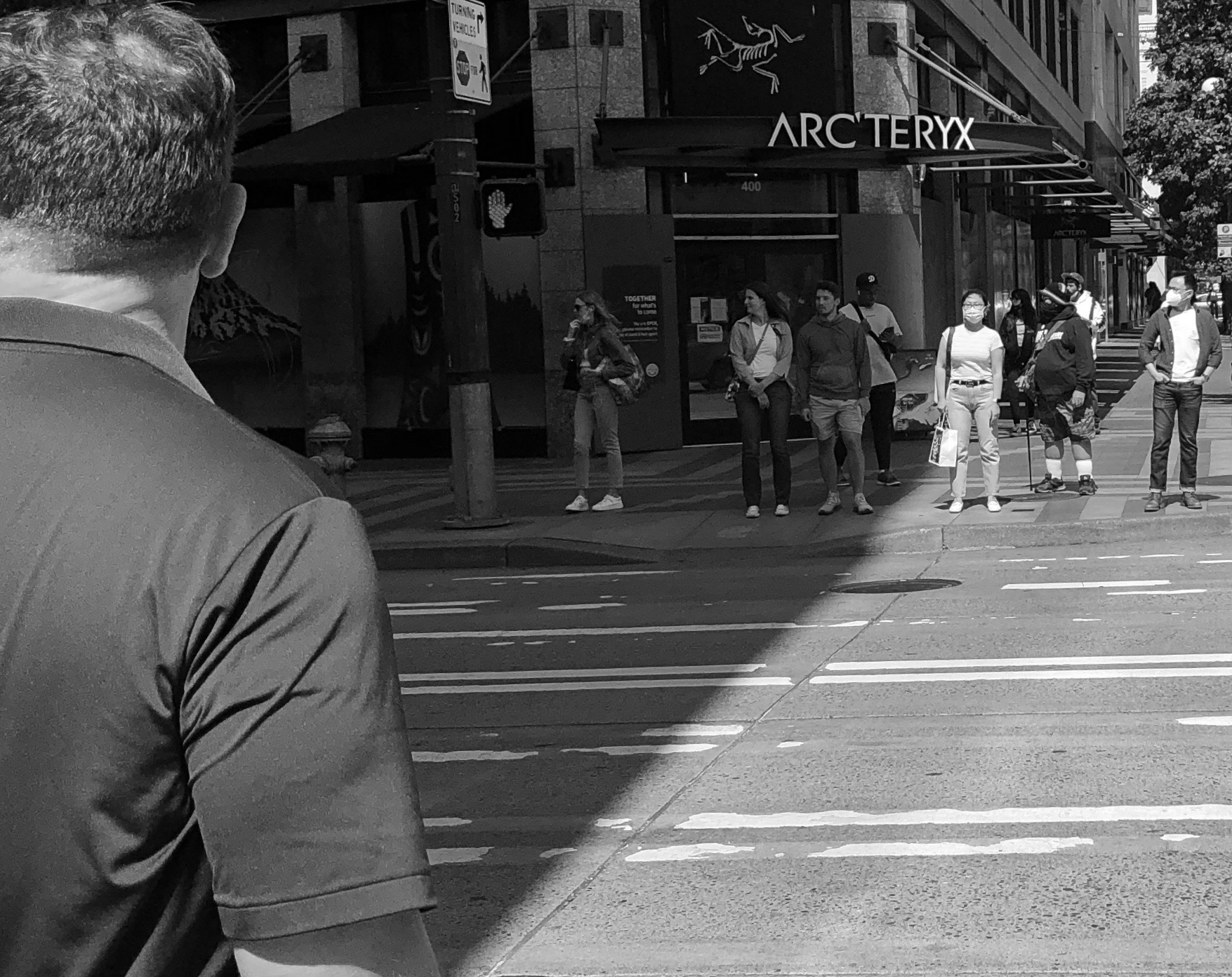
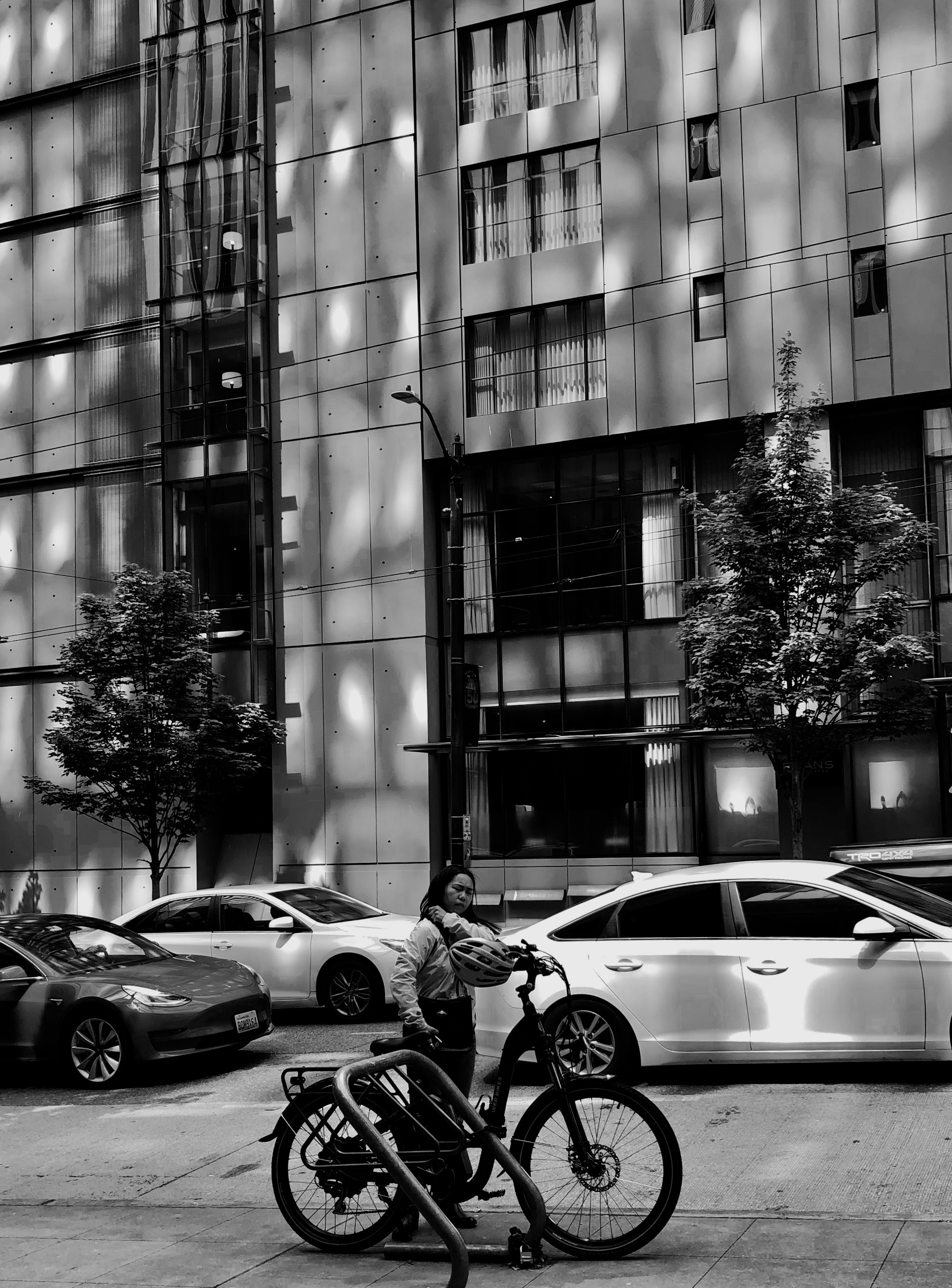
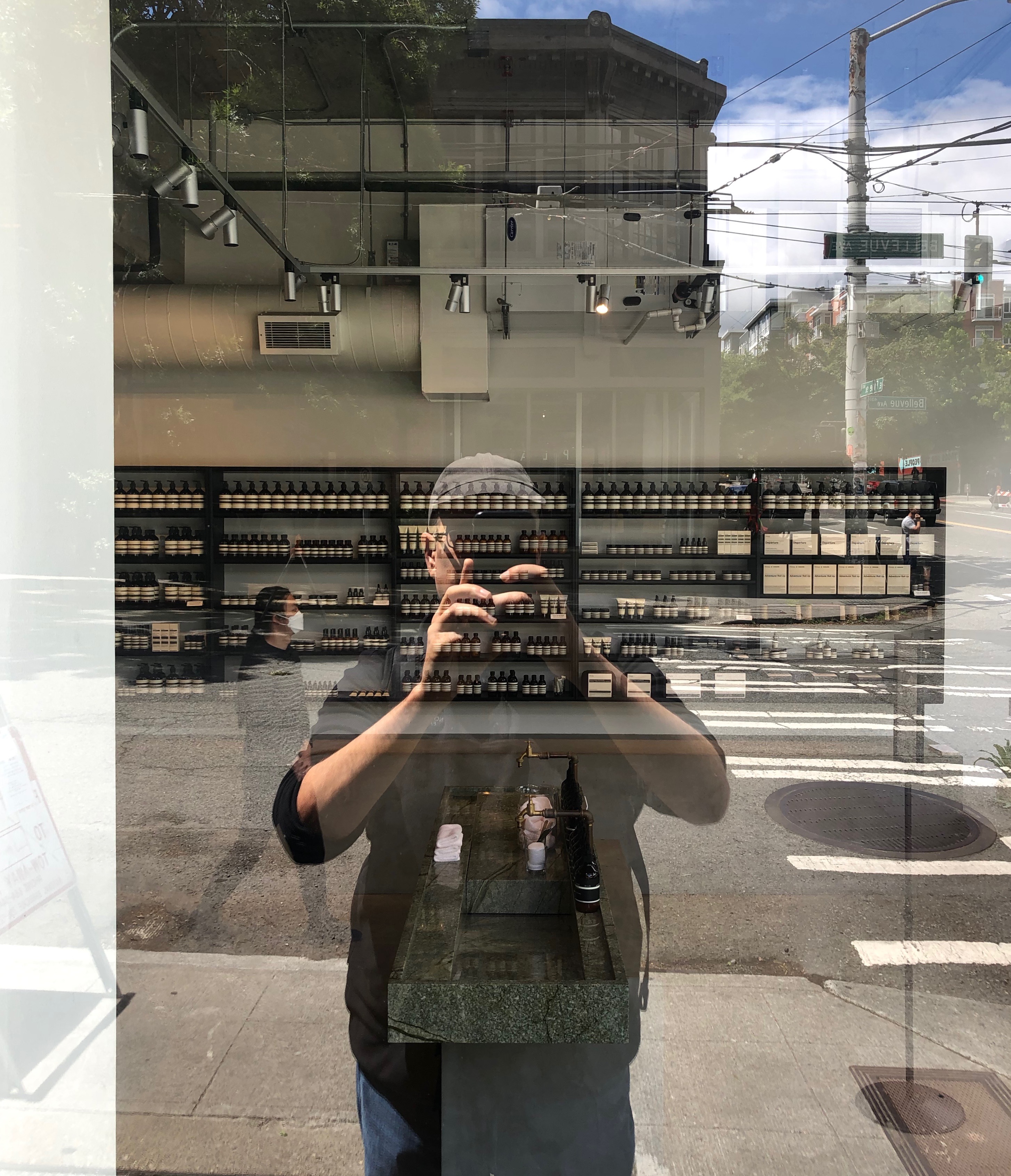

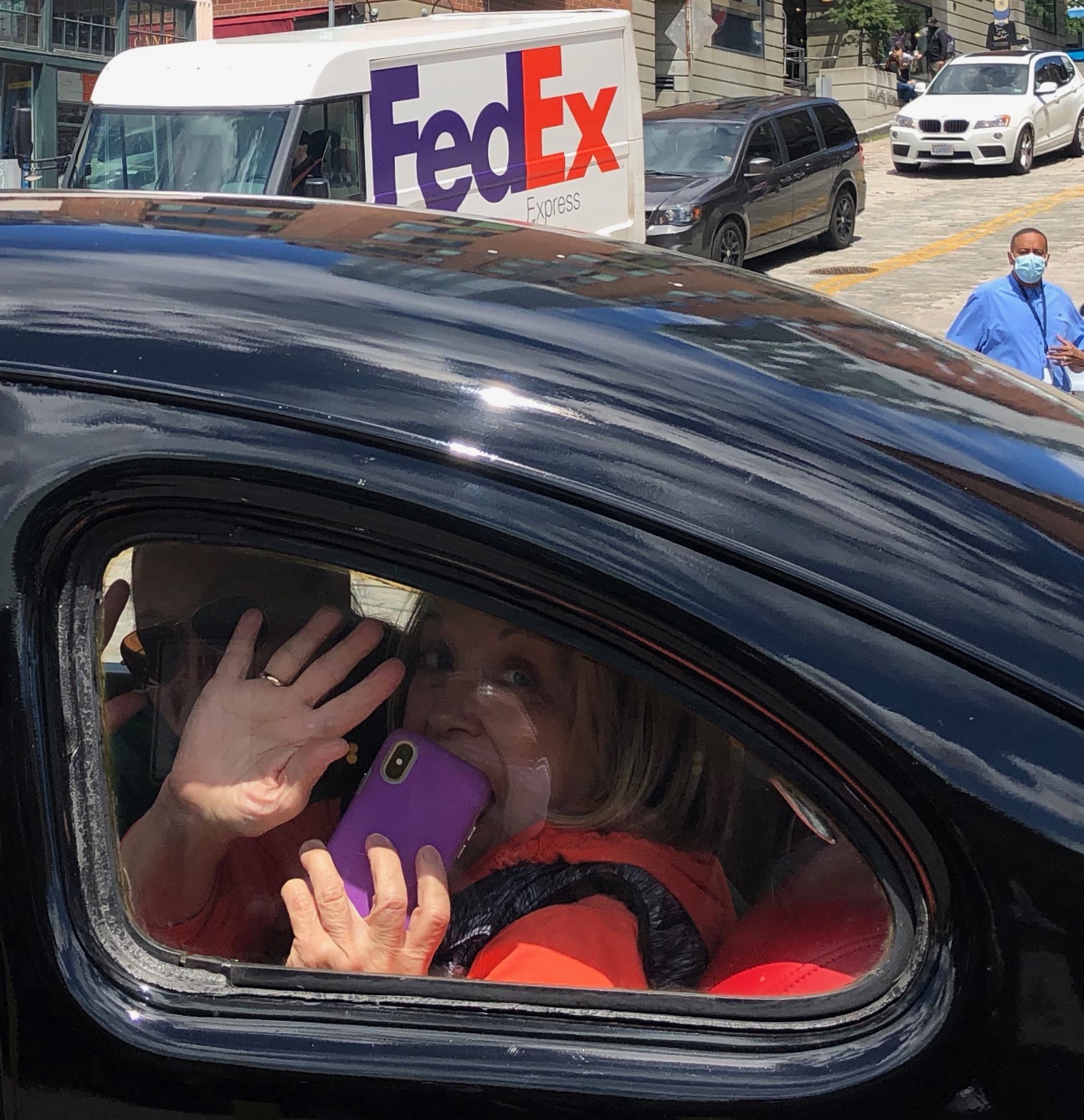
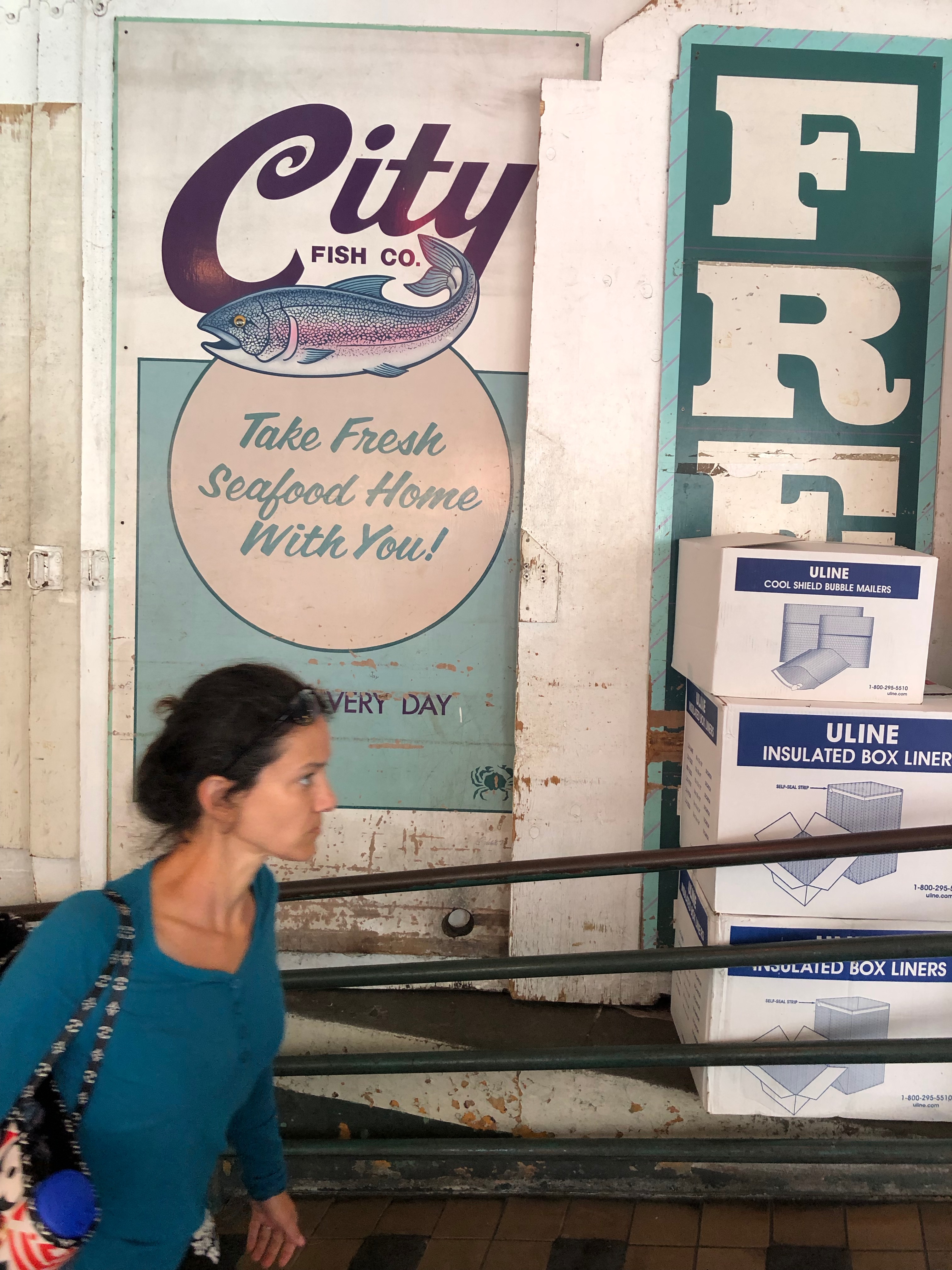
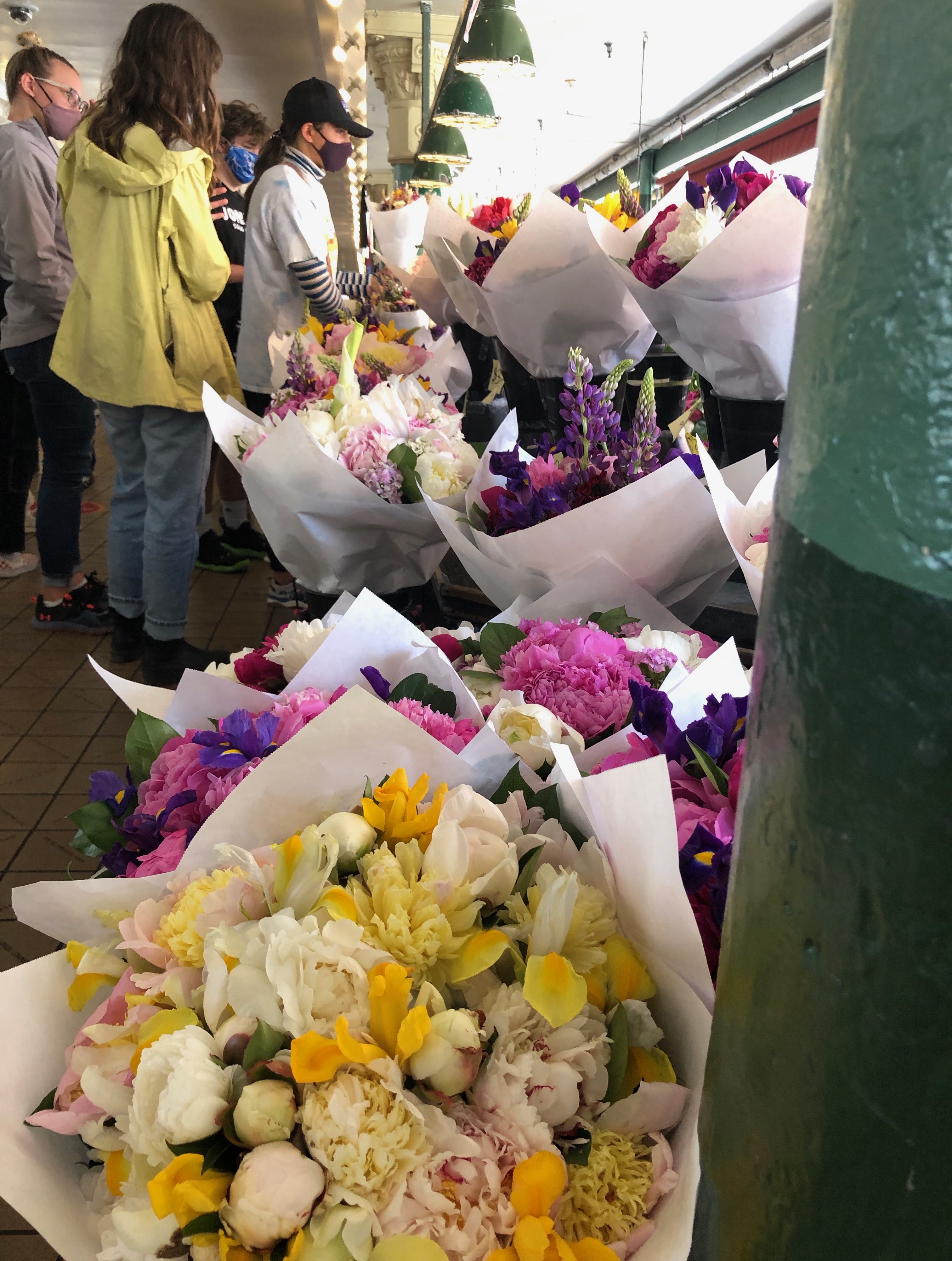
Not what you were expecting? I’ll put some more up later.


A Postcard From The Volcano
Children picking up our bones
Will never know that these were once
As quick as foxes on the hill;
And that in autumn, when the grapes
Made sharp air sharper by their smell
These had a being, breathing frost;
And least will guess that with our bones
We left much more, left what still is
The look of things, left what we felt
At what we saw. The spring clouds blow
Above the shuttered mansion-house,
Beyond our gate and the windy sky
Cries out a literate despair.
We knew for long the mansion’s look
And what we said of it became
A part of what it is . . . Children,
Still weaving budded aureoles,
Will speak our speech and never know,
Will say of the mansion that it seems
As if he that lived there left behind
A spirit storming in blank walls,
A dirty house in a gutted world,
A tatter of shadows peaked to white,
Smeared with the gold of the opulent sun.
There was a good Kathryn Schulz piece at the New Yorker entitled: ‘The Really Big One,’published in July 2015, which Nick Zentner at Central Washington University uses as his jumping-off point for discussion.
The above hour-long talk is designed for lay-people and starts with the basics, catalogues the current evidence, and leads to current understanding:
On average, every 250-500 years or so, the Cascadia Subduction Zone can rip {partially or} at once, and can generate an earthquake (with tsunami) of potentially 9.0 or greater {if all at once}. The last big one is known to have occurred 316 years ago, on January 29th, 1700.
Oh boy…
-This timeline is not exactly reassuring…
-People are keeping track of these {local} things.
-Out on the coast, there are layers of rocks, sediment and mud indicating a momentous and terrible night.
-Monitor all current seismic activity here.
**Fun fact: There’s also a different fault right under Seattle (running roughly along I-90), that let loose around 900 A.D., and sunk a whole flank of Mercer Island, leaving a ghostly underwater forest.
Because Seattle was under a glacier not that long ago, it’s a long way down to bedrock, and this means bad news for transferring energy during earthquakes: A big bowl of mud and looser glacial deposits, drumlins and hills prone to landslide, ending abrubtly in water, does not a good recipe make.
Check it out:
—————————
It looks like Gale Crater has its advantages.
Research papers here. A summary of some of what’s been found so far:
‘Research suggests habitable conditions in the Yellowknife Bay area may have persisted for millions to tens of millions of years. During that time rivers and lakes probably appeared and disappeared. Even when the surface was dry, the subsurface likely was wet, as indicated by mineral veins deposited by underground water into fractures in the rock. The thickness of observed and inferred tiers of rock layers provides the basis for estimating long duration, and the discovery of a mineral energy source for underground microbes favors habitability throughout.’
You can also watch a 12/05/13 press briefing from JPL discussing those papers above. These rocks are much newer than the older wet period theorized.
They’re more focused on the search for organic carbon, now, within the environments they’ve discovered.
Via The Mars Science Laboratory At NASA: ”Mount Sharp’ On Mars Links Geology’s Past And Future’…Via Youtube: ‘The Challenges Of Getting To Mars: Selecting A Landing Site
NASA Via Youtube: ‘The Martians: Launching Curiosity To Mars’…NASA Via Youtube: ‘Mars Science Laboratory (Curiosity Rover) Mission Animation…
“The amount of devastation is going to be unbelievable,” says Rob Witter, coastal geologist with the Oregon Department of Geology and Mineral Industries. “People aren’t going to be ready for this. Even if they are prepared, they are going to be surprised by the level of devastation.”
The last big Cascadia subduction zone earthquake likely occurred on Jan 27th, 1700, at magnitude 9.0. The article suggests an occurence anywhere from 300-350 year intervals up to 400-600 year average intervals (new research suggests the former). It’s just over 311 years and counting.
USGS info here. Some earthquake preparedness FAQ’s also from the USGS.
Thoughts and prayers to the people of Japan. There may be at least 10,000 dead.
Related On This Site: …From The USGS: February 14th, 2011 Earthquake Near Mt. St. Helens-4.3……Seattle Earthquake-January 30th 2009-4.5 On The Richter Scale…From The Seattle Times: ‘Hard Lessons Learned Since The 2001 Nisqually Quake’

The previous point must be tempered with the fact that Peirce increasingly became a philosopher with broad and deep sympathies for both transcendental idealism and absolute idealism. His Kantian affinities are simpler and easier to understand than his Hegelian leanings. Having rejected a great deal in Kant, Peirce nevertheless shared with Charles Renouvier the view that Kant’s (quasi-)concept of the Ding an sich can play no role whatsoever in philosophy or in science other than the role that Kant ultimately assigned to it, viz. the role of a Grenzbegriff: a boundary-concept, or, perhaps a bit more accurately, a limiting concept. A supposed “reality” that is “outside” of every logical possibility of empirical or logical interaction with “it” can play no direct role in the sciences. Science can deal only with phenomena, that is to say, only with what can “appear” somehow in experience. All scientific concepts must somehow be traceable back to phenomenological roots. Thus, even when Peirce calls himself a “realist” or is called by others a “realist,” it must be kept in mind that Peirce was always a realist of the Kantian “empirical” sort and not a Kantian “transcendental realist.” His realism is similar to what Hilary Putnam has called “internal realism.” (As was said, Peirce was also a realist in quite another sense of he word: he was a realist or an anti-nominalist in the medieval sense.)
Related On This Site: Via The University Of British Colombia: Kant-Summary Of Essential Points…From Bryan Magee’s Talking Philosophy On Youtube: Geoffrey Warnock On Kant…Sunday Quotation: From Jonathan Bennett On Kant…Via YouTube: “Cosmic Journeys-Is The Universe Infinite?”
Hilary Putnam On The Philosophy Of Science: Bryan Magee’s Talking Philosophy On YouTube